


James Shepherd-Barron
Latest posts by James Shepherd-Barron (see all)
- HOT FROGS and the monetization of money - 3rd March 2021
- CoVid Lessons Un-Learned - 29th January 2021
- HOLE IN THE WALL (Book Extract) - 18th January 2021
In this article, James Shepherd-Barron argues that DFID should put ‘cash management’ higher up the humanitarian agenda, especially when tackling epidemics.
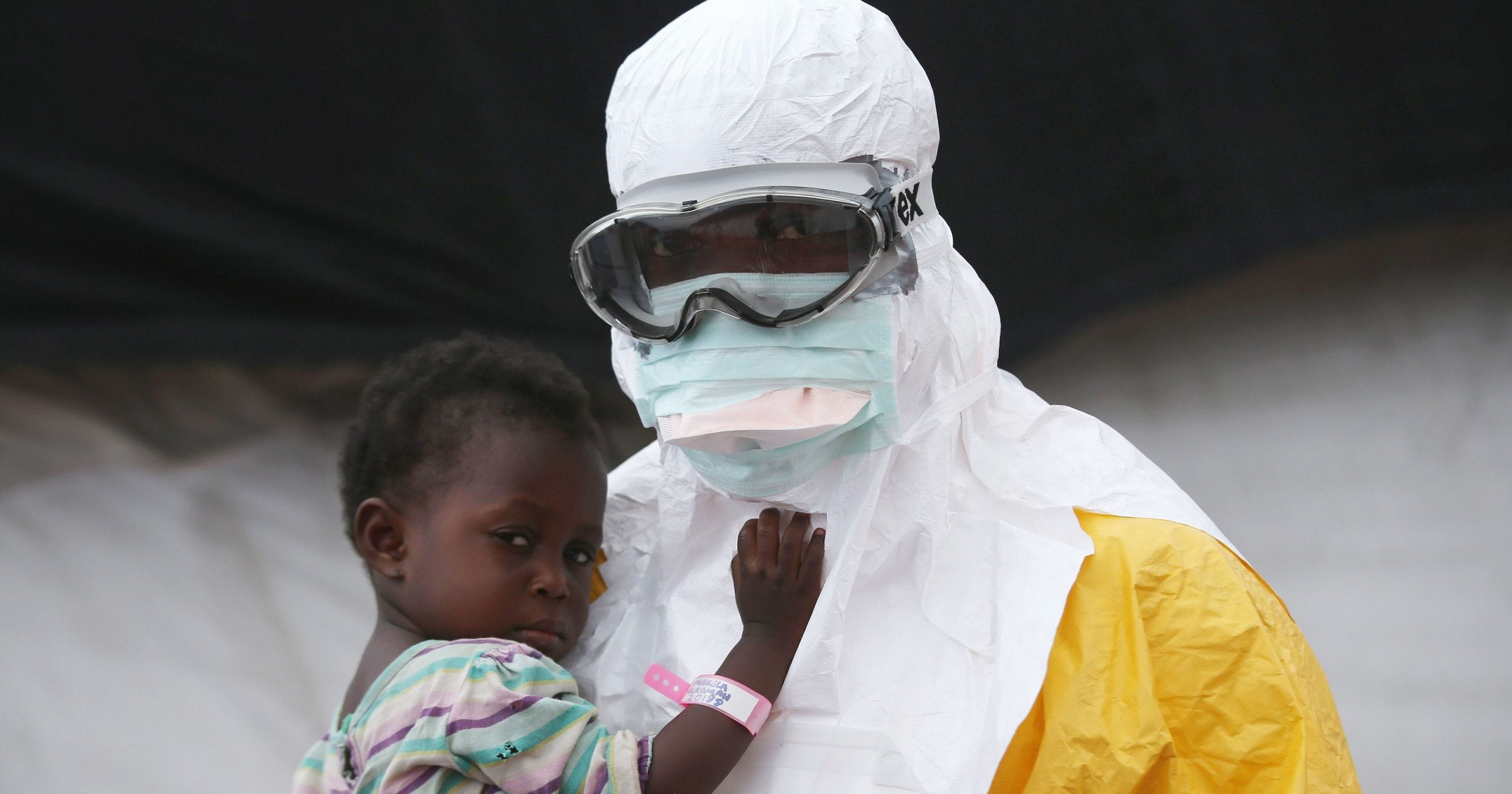
In its video Digital Payments and the Ebola Crisis, the Better Than Cash Alliance outlines the benefits of using electronic cash transfers during the EVD epidemic response in West Africa 2014-2015[1]. Unlike other studies on the use of cash transfers in West Africa at the time which tend to focus on food security, their case study looked at payments to frontline health workers, specifically the challenge of ensuring they were properly paid for the risks they were taking.
Prior to the crisis, health workers had received their salaries intermittently and in cash which meant taking time off to travel long distances and at their own expense. Not only was this highly inefficient but it allegedly led to payments being stolen and being paid to the wrong recipient. Not surprisingly, this had a negative impact on staff morale which in turn led to strikes, significantly slowing disease control efforts.
When Sierra Leone’s Ministry of health began making transfers via e-wallets on mobile phones staff motivation increased markedly: strikes ceased (preventing the loss of over 800 working days), incorrect payments were reduced, and the government saved $10 million in the process. In addition to these immediate benefits, the video went on to outline the longer-term benefits of digital financial assistance, suggesting that, with proper investment in preparedness, significant social and financial benefits would accrue.
All of this makes a compelling case for strategic country-wide investment in digital transfer technology that goes way beyond outbreak control.
However, the video makes no mention of the fact that healthcare workers engaged on the frontline of the response still had to cash-out their salaries if they wanted to purchase anything. Nor does it mention that 93% of unconditional cash transfers in Sierra Leone and Liberia were made in physical currency as their respective Cash Working Groups had concluded that “with inadequate facilities and a limited number of service providers, the potential for e-transfers was in fact very limited and not a viable mechanism for reaching most beneficiaries.”[2]
Exactly the same scenario played out – and is still playing out – in the Ebola-affected areas of the Democratic Republic of Congo four years later.
Yes, there are challenges with cash. It can be expensive, logistically difficult to distribute, and sometimes insecure … though a study by Mercy Corps found that electronic transfers were more expensive overall if start-up costs were included[3]. In the middle of an Ebola outbreak, people think cash might even be a vector or fomite of transmission[4].
But digital payments have challenges, too, not least how low smartphone penetration, unstable electricity supply, poor mobile phone network coverage, weak Internet access, unreliable payment channels at point-of-sale (especially in rural areas), fragile phone-based apps, the increased risk of online fraud, and, perhaps most problematic of all, the tendency to foster indebtedness all inhibit takeup.
Since Ebola is a not a disease that can be eradicated like Smallpox or Polio, and is therefore here to stay, getting agreed remuneration regularly to frontline health workers is critical to staff morale and therefore critical to the effectiveness of outbreak response measures. International health actors have to put as much effort into this aspect of the response as they do into developing new technologies such as vaccines, drug therapies and state-of-the-art barrier care.
Those commercial companies who manage cash for society could play a more proactive role in working with donors, line ministries, financial institutions and telecoms companies to make sure frontline health get paid properly and have the option of being able to convert their salaries to cash if they so choose.
As the leading donor in DRC,
DFID is well placed to catalyse this critical piece of the Ebola response
effort and should put ‘cash management in crises’ higher up the agenda, not
just for Ebola but for all diseases of epidemic potential. Failure to ensure
that such an essential piece of the response jigsaw is in place will not
only increase the likelihood that the disease will spread across international
borders faster, but that it will spread further.
[1] Ebola was identified in Liberia and Sierra Leone in March and May 2014 respectively. By early 2016, 28,616 people had been infected of whom over 11,310 had died. This crisis left not only death and devastation in its wake, but had severe long-term social and economic consequences.
[2] Frisetti: Harnessing Digital Technology for Cash Transfer Programming in the Ebola Response; CaLP, 2018
[source: http://www.cashlearning.org/news-and-events/news-and-events/post/478-harnessing-digital-technology-for-cash-transfer-programming-in-the-ebola-response (accessed 5 Dec 20190]
[3] Mercy Corps
[4] Shepherd-Barron: Potential mortality effects of paper currency during outbreaks of Ebola virus disease; Cash Essentials, May 2019 [source: https://www.cashessentials.org/cash-crises]