
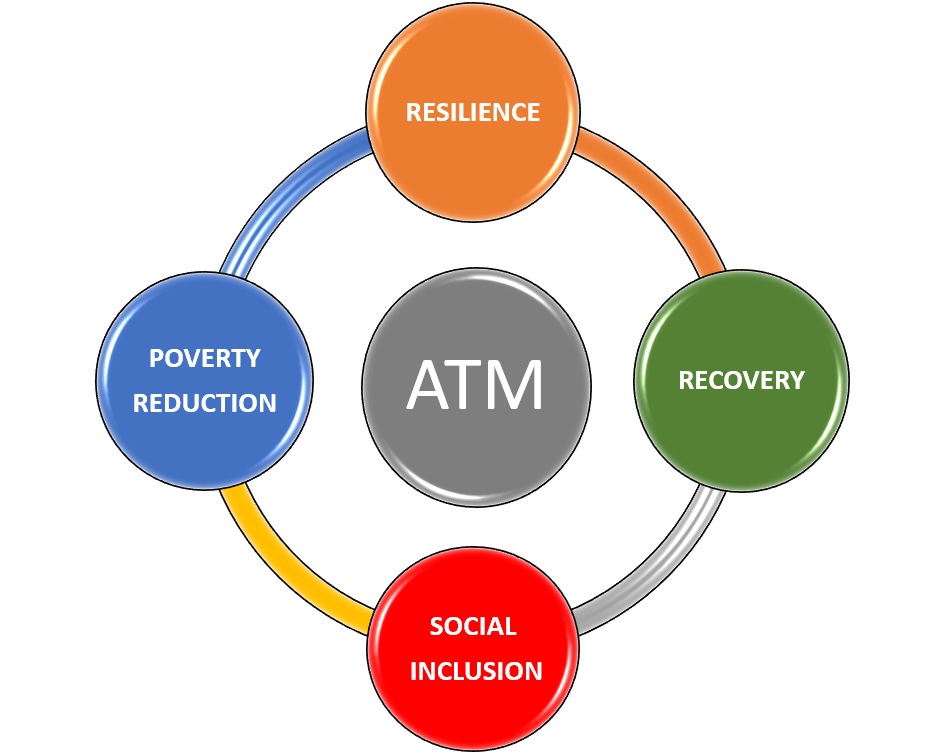
In September 2019 the US Automated Teller Machine (ATM) enjoyed its 50th birthday. Two years earlier, its British forerunner, the cash dispenser, did the same. On both occasions celebrations were surprisingly muted, with the media on both sides of the Atlantic scarcely mentioning this milestone in financial technology.
This is strange given that the ATM was not just the original ‘fintech’ solution but has a social value far beyond that of the cash it dispenses. After all, the arrival of the world’s first automated cash dispenser in 1967 changed the way we bank, the way we consume, and our relationship with money forever. It transformed our lives by ushering in a post-war world of self-service where we had to trust and interface with a machine for the first time. In its way, the ATM was just as disruptive as the advent of the i-phone.
So, why is such an iconic and transformative machine so under-valued?