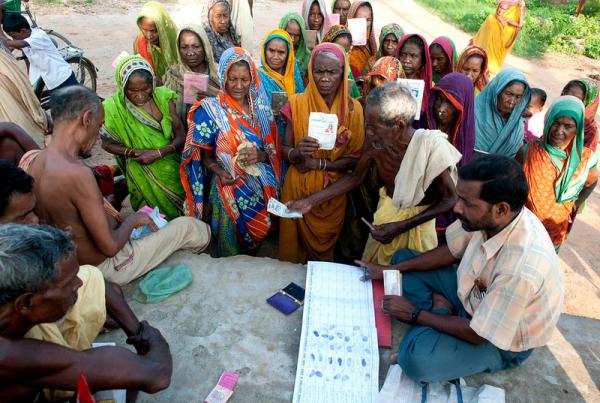
SUMMARY: There is growing evidence that the wholesale move to digital payments advocated for by fintech lobbyists is not the techno-utopian panacea that its proponents proclaim. In fact, far from its stated aim of fostering financial inclusion, evidence from Kenya, India and elsewhere demonstrates that it actually excludes the most vulnerable in society by fostering indebtedness and preventing them from using their preferred, and often only, means of payment … cash. The international aid community should be more critical of the costs and compulsions involved with going ‘cashless’ and realise that restriction of payment options is neither a plausible nor appropriate way of achieving the ends they seek … that is, suppressing cash will not make the poor better off.

Supporting Aid Professionals Everywhere